

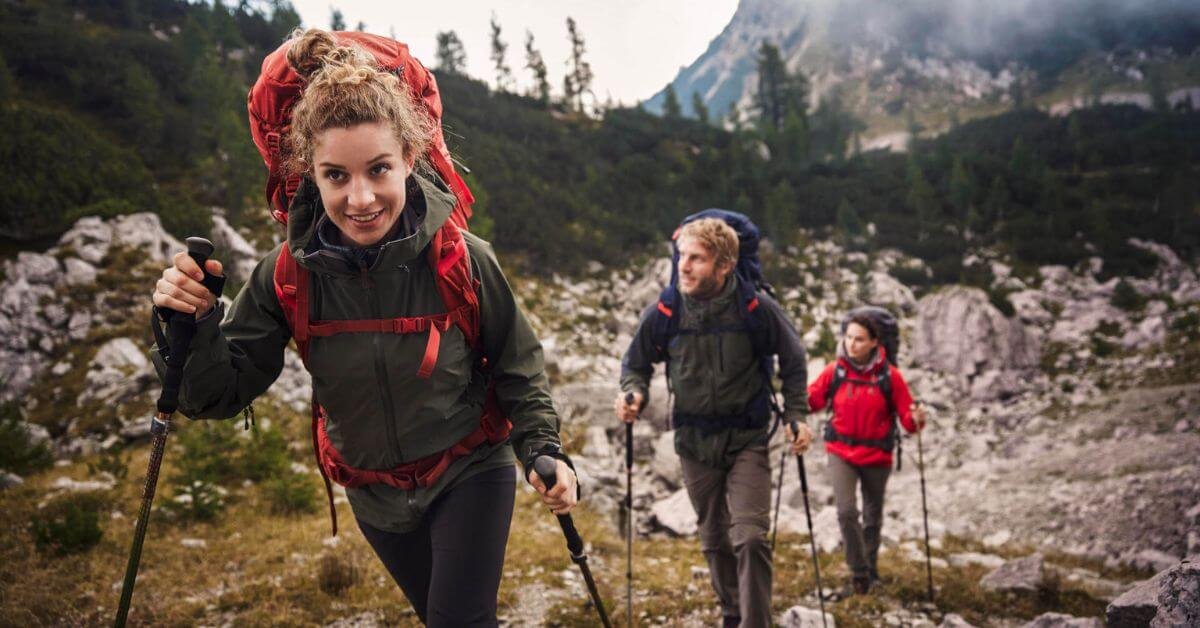
Trekking is a multi-day hiking adventure that takes you through diverse terrains, from mountain trails to forest paths, offering an immersive way to explore nature at your own pace.
This comprehensive guide is designed for complete beginners curious about their first trek and adventure seekers ready to take their hiking to the next level.
You'll discover what sets trekking apart from regular day hikes and why millions of people around the world have fallen in love with this rewarding outdoor activity.
We'll walk you through the essential gear and equipment you need to stay safe and comfortable on the trail, plus share practical tips for planning your first trek successfully.
You'll also learn how to build the physical and mental preparation needed to tackle longer distances and challenging terrain with confidence.
Ready to turn those mountain dreams into reality? Let's dive into everything you need to know about trekking.
What Is Trekking?
What is trekking exactly? Picture this: you're walking through diverse landscapes for days, maybe weeks, carrying everything you need on your back. That's trekking in a nutshell.
Unlike a casual afternoon hike, trekking involves multi-day journeys across varying terrains, often in remote wilderness areas where you'll sleep under the stars or in basic shelters.
| Activity | Duration | Terrain | Accommodation | Difficulty |
|---|---|---|---|---|
| Hiking | Few hours to 1 day | Well-marked trails | Return home daily | Easy to moderate |
| Trekking | Multiple days to weeks | Varied, remote terrain | Camps, lodges, or shelters | Moderate to challenging |
| Mountaineering | Days to weeks | High-altitude peaks | Tents, base camps | Extreme difficulty |
Hiking typically means day trips on established paths where you return to your cozy bed each night. Mountaineering takes things to the extreme – we're talking technical climbing, specialized equipment like ropes and crampons, and conquering high-altitude peaks where oxygen runs thin.
Trekking sits beautifully in the middle. You'll experience the satisfaction of multi-day adventures without needing years of technical climbing expertise. Most treks follow established routes through mountains, forests, or deserts, making them accessible to people with reasonable fitness levels.
Physical and Mental Health Advantages
Your body transforms during a trek in ways that gym sessions simply can't match. Each day of walking strengthens your cardiovascular system, builds endurance, and tones muscles you forgot existed. The uneven terrain challenges your balance and coordination, while carrying a backpack develops core strength and improves posture.
The mental health benefits run even deeper. Walking meditation happens naturally as your rhythm synchronizes with your breathing. The repetitive motion of placing one foot in front of the other creates a meditative state that clears mental fog and reduces anxiety.
Many trekkers describe experiencing profound clarity about life decisions during long walking days.
Key physical benefits include:
- Enhanced cardiovascular fitness
- Improved muscle strength and endurance
- Better balance and coordination
- Increased bone density
- Weight management and improved metabolism
Mental health advantages:
- Reduced stress and anxiety levels
- Improved mood and emotional regulation
- Enhanced problem-solving abilities
- Better sleep quality
- Increased self-confidence
Research shows that spending time in natural environments significantly lowers cortisol levels, the hormone responsible for stress. The combination of physical exercise and natural settings creates a powerful antidote to modern life's pressures.
Trekking vs. Hiking: What's the Difference?
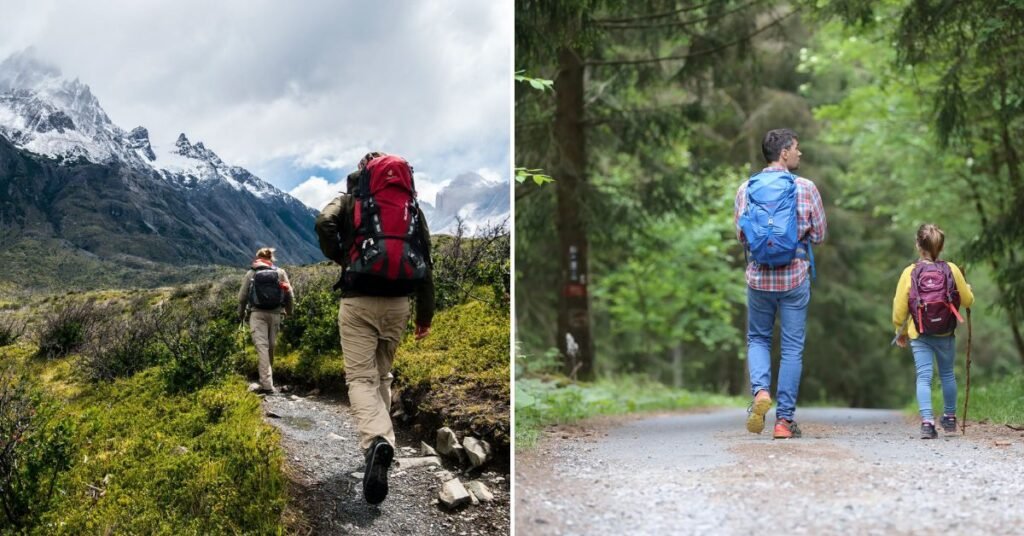
Trekking and hiking are similar activities but differ in intensity, duration, and terrain. Hiking typically involves short, well-marked trails that are completed within a few hours or a single day. It’s often recreational and doesn’t require much gear or preparation.
Trekking, on the other hand, is more demanding and usually spans multiple days over rugged or remote terrain. It often involves camping, carrying essential supplies, and navigating through challenging environments like mountains or forests. For example, a two-hour walk on a local nature trail would be considered hiking.
In contrast, spending five days crossing high-altitude mountain passes with a loaded backpack would be classified as trekking. While both promote fitness and a connection with nature, trekking demands more endurance, planning, and resilience than a typical hiking trip.
Connection with nature and digital detox benefits
Trekking strips away the digital noise that constantly competes for your attention. Most remote trails offer spotty cell service at best, creating natural boundaries between you and the online world.
This forced disconnection initially feels uncomfortable – you might instinctively reach for your phone dozens of times the first day.
But something magical happens around day two or three. Your mind stops racing between notifications, emails, and social media updates.
Instead, you become acutely aware of your surroundings: the crunch of leaves underfoot, the way morning light filters through tree branches, the sound of your own breathing.
This heightened awareness reconnects you with natural rhythms. You wake with sunrise and feel sleepy as darkness falls. Your body begins responding to natural cues rather than artificial stimulation from screens and electric lights.
Digital detox benefits:
- Improved focus and attention span
- Better quality sleep patterns
- Reduced dependency on technology
- Enhanced appreciation for simple pleasures
- Stronger connection to personal values and priorities
The natural world becomes your entertainment system. You'll find yourself fascinated by cloud formations, animal tracks, or the way water moves over rocks. This shift in attention from artificial to natural stimuli rewires your brain's reward system, making simple experiences more satisfying.
Building confidence and personal achievement
Every trek presents obstacles that test your limits: steep climbs that burn your lungs, river crossings that challenge your balance, or weather that pushes your comfort zone. Overcoming these challenges builds unshakeable confidence that extends far beyond the trail.
The achievement isn't just reaching a destination – it's proving to yourself that you can handle discomfort, uncertainty, and physical demands.
Each successful day on the trail deposits confidence into your mental bank account. You start believing you can tackle challenges in other areas of life with the same determination.
Trekking teaches you to break overwhelming goals into manageable steps. That mountain peak seems impossible from base camp, but you learn to focus on reaching the next ridge, then the next water source. This approach transforms how you handle big projects at work or personal goals in daily life.
Confidence-building aspects:
- Overcoming physical and mental barriers
- Learning to trust your decision-making abilities
- Developing resilience in challenging situations
- Proving your self-reliance capabilities
- Creating lasting memories of personal achievement
The sense of accomplishment from completing a challenging trek creates a reference point for future difficulties. When facing tough situations, you can remind yourself: “I walked 15 miles through mountain terrain carrying everything I needed – I can handle this too.”
Essential Gear and Equipment for Safe Trekking
Footwear Selection and Proper Fit Guidelines
Your feet are your most important trekking asset, making proper footwear selection absolutely critical for any successful adventure. Hiking boots come in three main categories: day hiking shoes for easy trails, mid-cut boots for moderate terrain, and full hiking boots for challenging multi-day treks.
Day hiking shoes work perfectly for well-maintained trails under 10 miles, while mid-cut boots provide ankle support for rocky or uneven terrain. Full boots become necessary when carrying heavy packs or tackling technical terrain.
Getting the right fit requires shopping in the afternoon when your feet are naturally swollen, mimicking how they'll feel during long treks. Your toes should have wiggle room without sliding forward when walking downhill – about a thumb's width of space at the front.
The boot should feel snug around your heel and midfoot without pinching. Always try boots with the socks you'll actually wear while trekking, and walk around the store for at least 10 minutes to identify any pressure points.
Break in new boots gradually by wearing them around the house, then on short walks, building up to longer hikes. This process can take several weeks, so never attempt a major trek in brand-new footwear.
Quality hiking socks made from merino wool or synthetic materials prevent blisters better than cotton, which retains moisture and causes friction.
Clothing Layers for Weather Protection
The layering system forms the foundation of comfortable trekking in any weather condition. This three-layer approach includes a moisture-wicking base layer, an insulating middle layer, and a waterproof outer shell. Each layer serves a specific purpose and can be adjusted based on activity level and weather changes.
Base layers should never be cotton, which holds moisture against your skin and loses insulation when wet. Merino wool or synthetic fabrics pull sweat away from your body, keeping you dry and comfortable.
Long-sleeve base layers protect against sun exposure and insects while providing consistent temperature regulation.
Insulating layers trap warm air close to your body. Fleece jackets, down vests, or synthetic insulation work well depending on conditions. Down provides the best warmth-to-weight ratio in dry conditions but loses effectiveness when wet. Synthetic insulation maintains warmth even when damp, making it ideal for humid or potentially wet environments.
The outer shell protects against wind and precipitation. Look for breathable, waterproof materials that allow moisture to escape while keeping external wetness out.
Pit zips and ventilation panels help regulate temperature during high-output activities. Pack a lightweight rain jacket even on sunny days – mountain weather changes rapidly.
Navigation Tools and Safety Equipment
Modern trekking relies on multiple navigation methods for safety and confidence on the trail. GPS devices and smartphone apps provide real-time location data, but they depend on battery power and can fail in extreme conditions.
Paper maps and a compass form your backup navigation system that works regardless of technology failures.
Learn to read topographic maps before heading out. These maps show elevation changes, water sources, and terrain features that help you understand the landscape.
A quality compass with adjustable declination ensures accurate readings in different geographic regions. Practice basic triangulation techniques to determine your location using visible landmarks.
Emergency communication devices can save lives in remote areas. Personal locator beacons (PLBs) send distress signals to rescue services via satellite, while satellite communicators allow two-way messaging with emergency contacts. These devices work anywhere in the world but require clear sky access to function properly.
Safety equipment should include a first aid kit tailored to your group size and trip length, emergency whistle, headlamp with extra batteries, and fire-starting materials. Multi-tools provide versatility for gear repairs and emergency situations.
Pack these items in waterproof containers or bags to ensure they function when needed most.
Backpack Essentials and Weight Distribution
Selecting the right backpack size depends on trip length and personal gear preferences. Day packs (20-35 liters) work for single-day adventures, while overnight packs (35-50 liters) handle weekend trips.
Multi-day expeditions require larger packs (50+ liters) but focus on weight management becomes even more critical.
Proper weight distribution keeps you balanced and reduces fatigue over long distances. Heavy items like water, food, and cooking gear should sit close to your back in the middle section of the pack. This positioning maintains your center of gravity and prevents the pack from pulling you backward.
Sleeping bags and lightweight items go in the bottom compartment, while frequently used items like snacks and rain gear stay accessible in top or side pockets.
The 10-20% rule provides a general guideline for pack weight – your loaded pack shouldn't exceed 10-20% of your body weight for comfortable hiking.
Beginners should start closer to 10%, while experienced trekkers can handle slightly more. Every ounce matters on long treks, so evaluate each item's necessity and look for lightweight alternatives where possible.
Adjust your pack's torso length, hip belt, and shoulder straps for optimal fit. The hip belt should sit on your hip bones, carrying most of the weight, while shoulder straps provide stability without digging into your shoulders.
Load lifter straps and sternum straps fine-tune the fit and help maintain proper posture during extended hiking sessions.
Choosing Beginner-friendly Trails and Destinations
Starting your trekking journey on the right trail makes all the difference between falling in love with the outdoors and swearing off hiking forever. Look for well-marked trails with moderate elevation gains – anything under 1,000 feet of elevation gain per day works perfectly for beginners.
Popular national parks offer excellent starter options like the Emerald Lake Trail in Rocky Mountain National Park or the Mist Trail in Yosemite.
Day hikes ranging from 3-8 miles provide the perfect introduction without overwhelming your body or schedule. These shorter distances let you test your gear, understand your pace, and build confidence. Local hiking groups and visitor centers often recommend beginner circuits that showcase beautiful scenery without technical challenges.
Consider proximity to your home base when selecting destinations. Staying within a few hours' drive reduces travel stress and allows easy retreat if weather conditions change. Regional state parks frequently maintain excellent trail systems with amenities like restrooms and water sources – luxuries you'll appreciate as a newcomer.
Research trail reviews on platforms like AllTrails, where fellow hikers share recent conditions and difficulty ratings. Pay attention to comments about trail maintenance, signage quality, and crowd levels. Popular trails mean more foot traffic but also better safety support if problems arise.
Assessing Your Fitness Level and Preparation Time
Honest self-assessment prevents painful surprises on the trail. If walking up two flights of stairs leaves you breathless, jumping into a 10-mile mountain trek won't end well. Start with shorter local walks and gradually increase distance and elevation over several weeks.
A simple fitness test involves walking briskly for 30 minutes without stopping. If this feels challenging, begin with 15-minute walks and build endurance slowly. Your cardiovascular system needs time to adapt, and rushing this process often leads to injury or discouragement.
Target at least 4-6 weeks of preparation for your first serious trek. This timeline allows your muscles, joints, and cardiovascular system to strengthen gradually. Include activities beyond walking – swimming, cycling, or yoga all contribute to overall fitness and flexibility.
Practice carrying weight by loading a backpack with water bottles and walking familiar routes. Start with 10-15 pounds and gradually increase load as your comfort improves.
This conditioning prevents the shocking reality of how heavy even basic gear feels after several miles.
Monitor how your body responds to increased activity. Persistent joint pain or unusual fatigue signals the need to slow progression. Building fitness takes patience, but the investment pays dividends in trail enjoyment and safety.
Weather Considerations and Seasonal Timing
Weather can transform a pleasant walk into a dangerous ordeal faster than you'd imagine. Research seasonal patterns for your chosen destination months ahead of your planned trip.
Mountain weather changes rapidly, and conditions at trailheads rarely match those at higher elevations.
Spring brings wildflowers and moderate temperatures but also unpredictable weather, muddy trails, and potential snow at elevation. Many high-altitude trails remain inaccessible until late spring or early summer due to snow coverage.
Summer offers the most stable conditions and longest daylight hours, making it ideal for beginners. However, popular trails become crowded, and afternoon thunderstorms pose serious risks in many mountain regions. Start early morning hikes to avoid both crowds and weather hazards.
Fall provides spectacular scenery with cooler temperatures, but shorter days require careful time management. Weather systems move in quickly during autumn, and early snowfall can catch unprepared hikers off-guard.
Winter trekking demands advanced skills and specialized equipment that beginners shouldn't attempt without proper training and guidance.
Check local weather forecasts within 24-48 hours of departure, but don't rely solely on general area predictions. Mountain microclimates create vastly different conditions within short distances. Pack layers regardless of the forecast – mountain weather changes without warning.
Permits, Regulations, and Trail Research
Many popular trekking destinations require permits, especially wilderness areas and national parks. Some permits can be reserved months in advance, while others operate on first-come, first-served systems. Research permit requirements immediately after choosing your destination to avoid disappointment.
Wilderness permits often limit group sizes and may restrict camping to designated areas. Day hiking permits are less common but exist for some heavily trafficked trails. Failure to secure proper permits can result in fines and forced evacuation from protected areas.
Study current trail conditions through official park websites and ranger stations. Trail closures due to wildlife activity, weather damage, or maintenance work occur regularly. Fire restrictions may limit camping options and require different cooking equipment during dry seasons.
Download offline maps to your smartphone as backup navigation, but don't rely solely on technology. GPS devices fail, batteries die, and cellular service disappears in remote areas. Learn to read topographic maps and carry a compass as essential safety tools.
Contact local ranger stations for current trail reports and safety advisories. Rangers provide invaluable insights about recent conditions, wildlife activity, and potential hazards that online resources might miss. Their local knowledge often prevents serious problems before they develop.
Research parking availability and fees at trailheads. Popular destinations fill parking areas early, especially on weekends. Arriving by 6-7 AM during peak season ensures parking spots and provides cooler hiking conditions. Some trailheads require day-use fees or annual passes that can be purchased in advance online.
Building Physical and Mental Preparation
Your heart and lungs are the engines that power every step on the trail. Building cardiovascular endurance takes time, but the payoff is massive when you're climbing steep switchbacks without gasping for air. Start with activities you actually enjoy – hiking, jogging, cycling, or even dancing. The key is consistent, moderate-intensity exercise that gets your heart rate up for extended periods.
Begin with 20-30 minute sessions three times per week at a pace where you can still hold a conversation. Gradually increase duration before ramping up intensity.
Hill walking or stair climbing mimics trekking conditions perfectly and strengthens your legs simultaneously. If you live in a flat area, use a treadmill on incline or find stadium stairs.
Interval training supercharges your cardiovascular fitness. Alternate between high-intensity bursts and recovery periods – sprint for 30 seconds, then walk for 90 seconds, repeating the cycle. This mirrors the varied demands of trekking terrain where you'll face steep climbs followed by gentler sections.
Swimming provides excellent cross-training without joint impact, while rowing machines work your entire cardiovascular system plus the back muscles you'll need for carrying a pack.
Aim for 4-6 weeks of consistent training before your trek, building up to 45-60 minutes of continuous activity.
Strength Exercises for Leg and Core Stability
Strong legs and a stable core form your foundation on uneven terrain. Focus on functional movements that translate directly to trekking challenges. Squats are your best friend – they target quadriceps, glutes, and calves while improving balance. Start with bodyweight squats, then progress to weighted versions or single-leg variations.
Lunges build unilateral strength and stability crucial for navigating rocky paths and steep descents. Forward lunges, reverse lunges, and lateral lunges each target different muscle groups.
Step-ups using a sturdy bench or box perfectly mimic the repetitive climbing motion you'll encounter on trails.
Your core stabilizes every movement and supports your pack's weight. Planks, dead bugs, and mountain climbers build functional core strength. Don't neglect your back – rows and pull-ups counteract the forward lean from carrying a backpack and strengthen muscles that prevent injury.
| Exercise | Target Area | Frequency |
|---|---|---|
| Squats | Quads, glutes, calves | 3×15-20 |
| Lunges | Legs, glutes, balance | 3×12 each leg |
| Step-ups | Climbing muscles | 3×15 each leg |
| Planks | Core stability | 3×30-60 seconds |
| Calf raises | Lower leg strength | 3×20 |
Train 2-3 times per week with rest days between sessions. Your muscles need recovery time to grow stronger.
Mental Preparation Techniques and Goal Setting
Trekking pushes your mental boundaries as much as your physical limits. Your mind often gives up before your body does, so mental training is crucial. Visualization techniques help you prepare for challenging moments.
Spend time imagining yourself successfully navigating difficult terrain, weather conditions, or fatigue. Picture yourself pushing through when you want to quit.
Set realistic, specific goals for your trek. Instead of “I want to finish the trail,” try “I will complete 8 miles per day while enjoying the scenery and staying safe.” Break larger goals into smaller milestones – reaching certain viewpoints, campsites, or elevation gains.
Practice positive self-talk during training sessions. Replace negative thoughts like “I can't do this” with constructive alternatives like “This is challenging, but I'm getting stronger.” Your internal dialogue shapes your experience more than you realize.
Meditation and mindfulness practices build mental resilience. Even 10 minutes daily helps you stay present and manage discomfort. When your legs ache or the weather turns nasty, mindfulness keeps you focused on the current step rather than dwelling on remaining miles.
Learn about your destination's history, wildlife, and geology. Knowledge transforms physical discomfort into meaningful experience. When you understand why that mountain formed or what bird you're hearing, every step becomes part of a larger story you're experiencing firsthand.
Safety Protocols and Risk Management
When you're miles away from civilization, knowing basic first aid can mean the difference between a minor inconvenience and a serious emergency. Every trekker should carry a well-stocked first aid kit and understand how to use its contents effectively.
Start by learning how to treat common trekking injuries like cuts, sprains, blisters, and altitude sickness. Clean wounds immediately with antiseptic wipes and apply proper bandaging to prevent infection. For sprains, remember the RICE method:
Rest, Ice, Compression, and Elevation. Blisters should be drained carefully with a sterilized needle, then covered with moleskin or blister patches.
Altitude sickness requires immediate attention. Watch for symptoms like headaches, nausea, dizziness, and confusion. The best treatment is descending to a lower altitude immediately. Never ignore these warning signs or push higher when symptoms worsen.
Create an emergency action plan before you start trekking. Know the evacuation routes from your planned path and identify the nearest medical facilities. Share this information with your trekking partners and ensure everyone understands the protocols.
Practice basic emergency signals using mirrors, whistles, or bright clothing. Three of anything (whistles, light flashes, or rock piles) is a universal distress signal. If someone becomes seriously injured, one person should stay with the victim while another goes for help, marking the route clearly for rescue teams.
Wildlife Encounters and Environmental Hazards
Understanding local wildlife behavior and environmental dangers helps you avoid potentially dangerous situations. Different regions present unique challenges, from bears and mountain lions in North America to venomous snakes in tropical areas.
Research the wildlife in your trekking area before departure. Learn proper food storage techniques to avoid attracting animals to your campsite.
Use bear canisters or hang food at least 12 feet high and 4 feet from tree trunks. Never feed wild animals, as this changes their natural behavior and creates dangerous situations for future trekkers.
If you encounter large wildlife, stay calm and avoid sudden movements. Make yourself appear larger by raising your arms or jacket above your head.
Back away slowly while maintaining eye contact with predators like mountain lions, but avoid direct eye contact with bears. Make noise while hiking to alert animals to your presence and give them time to move away.
Environmental hazards include rockfall zones, unstable terrain, river crossings, and extreme weather conditions. Always test the stability of rocks before putting your full weight on them. Cross streams at the widest, shallowest points, and use trekking poles for extra stability.
Watch for signs of incoming weather changes like darkening clouds, sudden temperature drops, or increasing wind speeds.
Avalanche awareness is critical in mountainous winter conditions. Learn to read terrain and snow conditions, carry proper safety equipment, and know basic rescue techniques if you're trekking in avalanche-prone areas.
Communication Plans and Emergency Contacts
Reliable communication can save lives when emergencies strike in remote areas. Before heading out, establish a detailed communication plan with people back home and ensure multiple people know your itinerary.
Leave a detailed trip plan with trusted contacts, including your planned route, campsites, expected return date, and when to call for help if you don't return. Update this information if your plans change and stick to your planned schedule as closely as possible.
Carry multiple communication devices for emergencies. Personal Locator Beacons (PLBs) work anywhere in the world and can send distress signals to search and rescue services. Satellite communicators like Garmin inReach allow two-way messaging and GPS tracking.
Cell phone signal boosters can help in areas with weak coverage, but don't rely solely on cell phones in remote locations.
Establish check-in schedules with your emergency contacts. Plan to contact them at specific times during your trek, and they should know to initiate rescue procedures if they don't hear from you by a predetermined deadline. Give them contact information for local ranger stations and search and rescue services.
Consider renting or purchasing satellite phones for extended treks in completely remote areas. These devices work anywhere with a clear view of the sky but require some technical knowledge to operate effectively.
Weather-Related Safety Measures
Weather changes quickly in mountainous terrain, and what starts as a pleasant day can turn dangerous within hours. Understanding weather patterns and having proper gear can prevent hypothermia, heat exhaustion, and other weather-related emergencies.
Monitor weather forecasts before and during your trek, but remember that mountain weather is notoriously unpredictable.
Learn to read natural weather signs like cloud formations, wind direction changes, and animal behavior. Lenticular clouds often indicate strong winds, while rapidly building cumulus clouds suggest incoming thunderstorms.
Dress in layers and always pack rain gear, even on sunny days. Hypothermia can occur in temperatures as high as 50°F when combined with wind and moisture. Recognize early symptoms like uncontrollable shivering, confusion, and loss of coordination. Treatment involves getting the person warm and dry immediately, providing warm drinks, and seeking medical attention.
Heat-related illnesses are equally dangerous. Take frequent breaks in shade, drink water regularly, and watch for signs of heat exhaustion like excessive sweating, weakness, and nausea. Heat stroke is a medical emergency requiring immediate cooling and evacuation.
Lightning poses a serious threat during thunderstorms. If you hear thunder, lightning is close enough to strike you. Seek shelter immediately, avoiding ridges, tall trees, and metal objects. If caught in the open, crouch low with your feet together and minimize ground contact.
Wait at least 30 minutes after the last thunder before resuming your trek.
Plan shorter hiking days during extreme weather conditions and always have bail-out options if conditions become dangerous. Your safety is more important than reaching any summit or completing any planned route.
Trekking Etiquette and Environmental Responsibility
The mountains, forests, and trails we love to explore aren't just backdrops for our adventures—they're living ecosystems that need our protection. Leave No Trace isn't just a catchy slogan; it's a commitment to preserving these spaces for future generations of trekkers.
Pack out everything you pack in, including that banana peel or apple core. Organic waste might seem harmless, but it disrupts local ecosystems and can attract wildlife to trails where they don't belong. Carry a small trash bag and pick up any litter you find along the way, even if it isn't yours.
Stay on designated trails to prevent erosion and protect fragile vegetation. When nature calls, dig a cathole at least 200 feet from water sources, trails, and campsites. Bury waste 6-8 inches deep and pack out toilet paper and hygiene products.
Choose established campsites when possible, and if you must camp in pristine areas, select durable surfaces like rock or gravel. Keep fires small and only where permitted, using established fire rings. Better yet, use a portable camp stove instead.
Respect wildlife by observing from a distance and never feeding animals. Store food properly to avoid creating problem animals that might need to be relocated or destroyed. Take only pictures and memories leave rocks, antlers, and wildflowers for others to enjoy.
Trail courtesy and fellow hiker interactions
Good trail manners make everyone's outdoor experience more enjoyable. When encountering other hikers, follow basic right-of-way rules: uphill hikers have the right of way since they're working harder and have limited vision ahead. Step aside for faster groups when safe to do so.
Announce your presence when approaching from behind with a friendly “Good morning, coming up behind you!” rather than startling people. Keep noise levels down many trekkers seek the peace and quiet of nature, and loud conversations or music can shatter that experience.
If you're hiking with a group, walk single file on narrow trails and don't spread across the path. When stopping for breaks or photos, move completely off the trail so others can pass easily.
Share information generously. If you know about trail conditions ahead, weather changes, or wildlife sightings, pass that knowledge along to fellow trekkers. A simple “There's a muddy section about a mile up” or “Beautiful viewpoint just around the bend” creates a sense of community on the trail.
Help when you can. If someone looks lost, offer directions. If you see someone struggling with a heavy pack or dealing with an injury, check if they need assistance. The hiking community thrives on mutual support and looking out for one another.
Respecting local communities and cultures
Trekking often takes us through or near communities that call these mountains and valleys home. These aren't theme parks created for our entertainment they're real places where real people live, work, and maintain their cultural traditions.
Learn about local customs before you arrive. Research appropriate dress codes, greeting customs, and cultural sensitivities. In many mountain communities, modest clothing is expected, especially when visiting religious sites or walking through villages.
Shop locally when possible and pay fair prices for goods and services. Don't haggle aggressively over prices that are already reasonable by your standards but represent fair wages for local people. Your trekking dollars can provide important income for mountain communities.
Ask permission before photographing people, especially in traditional dress or during cultural ceremonies. Many cultures consider unsolicited photography intrusive or disrespectful. A smile and gesture toward your camera usually communicates your request clearly, even across language barriers.
Respect sacred sites and follow local guidelines about where you can and cannot go. Some areas may be off-limits to outsiders, and others might require special permissions or have specific visiting hours.
Support conservation efforts led by local communities. Many indigenous groups are the best stewards of their traditional lands, and supporting their conservation initiatives helps preserve both cultural heritage and natural environments for future trekkers.
Trekking opens up a world where you can challenge yourself physically and mentally while connecting with nature's raw beauty. From understanding what gear you need to preparing your body and mind for the journey ahead, every step of planning matters.
The mountains, trails, and wilderness areas offer experiences that go far beyond what any gym or indoor activity can provide.
Ready to take that first step? Start small with local trails, invest in quality gear that fits your budget, and remember that every experienced trekker was once a beginner.
The trails are waiting for you, and with proper preparation and respect for the environment, your trekking adventures can become some of the most rewarding experiences of your life. Pack your essentials, lace up those boots, and discover what lies beyond the next ridge.
Popular Trekking Regions in 2025
From the Himalayas to Patagonia, the world offers an incredible range of trekking routes. Here are some of the most popular regions to consider:
- Nepal: Annapurna Circuit, Everest Base Camp
- Peru: Inca Trail to Machu Picchu
- Italy: Dolomites Alta Via trails
- New Zealand: Routeburn and Milford Tracks
- Canada: Banff and Jasper National Parks
- Morocco: High Atlas Mountains
These trekking routes are celebrated for their breathtaking scenery, strong trekking infrastructure, and deep cultural significance, offering travellers a rewarding mix of natural beauty, well-maintained paths, and rich local traditions along the way.
Health Benefits of Trekking
Trekking offers a powerful blend of physical exercise and mental rejuvenation. It builds stamina, strengthens muscles, and boosts cardiovascular health through consistent movement. As you hike through forests or scale hills, your body stays active while your mind finds calm.
Natural light, fresh air, and scenic views reduce stress and lift your mood, improving focus and mental clarity. Many people find trekking more fulfilling than a gym workout. Surrounded by nature, you get a full-body workout without the monotony of machines. The changing landscapes keep you engaged, making exercise feel effortless and enjoyable, both for the body and the mind.
What Gear Do You Need for Trekking?
Quality gear is essential. Poor shoes or a bad backpack can ruin the experience. Essentials include:
- Trekking boots with ankle support
- Moisture-wicking clothing
- A durable backpack with a rain cover
- Water bottles or a hydration pack
- Lightweight sleeping bag (for overnight treks)
- Trekking poles (especially for elevation changes)
Optional but helpful: GPS watch, multi-tool, power bank, and compact first-aid kit.
How to Prepare for Your First Trek
Start with fitness. Begin walking regularly and gradually increase your distance each week. Practise carrying a loaded backpack to get used to the weight. Learn basic navigation and map-reading skills. Choose an easy, beginner-friendly trail where help is accessible if needed.
Pack light and smart, carry only essentials. Always check the weather forecast, read recent trail reviews, and inform someone about your trekking plans. Above all, maintain a positive mindset. Feeling tired or challenged is part of the journey, but the sense of achievement and the beauty you’ll experience along the way make every step truly worthwhile. Stay safe and enjoy it!
Safety Tips for Trekking
Stay safe while trekking by planning your route, checking weather forecasts, and informing someone of your itinerary. Carry essentials like water, snacks, a map, and a first-aid kit. Wear proper footwear, avoid trekking alone, and know your physical limits.
- Never trek alone in very remote areas.
- Always carry a map and know how to use it.
- Bring more water and food than you think you’ll need.
- Wear layers to adapt to changing weather.
- Protect yourself from sun and insects.
Learn basic first aid. In case of injury, the ability to bandage a wound or signal for help is crucial.
Trekking Etiquette and Environmental Care
Leave no trace while trekking. Never litter and always pack out what you bring. Stick to marked trails to protect nature and avoid getting lost. Respect wildlife, observe from a distance and don’t feed animals. Honour local customs and traditions when passing through communities.
Keep noise to a minimum so others can enjoy the serenity. If you're with a group, walk in a single file on narrow paths to allow others to pass. Trekking is not only a personal journey, it’s a shared experience that demands responsibility and respect for the environment and fellow travellers.
Why Is Trekking So Popular in 2025?
What is trekking if not a way to escape the noise, stress, and routine of daily life? Post-COVID, more people seek solitude, peace, and self-discovery, and trekking provides that perfect escape. It’s a simple yet powerful way to reconnect with nature, far from luxury but rich in experience.
Many countries have improved their trekking trails, making them safer and more accessible, especially for beginners. Social media has played its part too, inspiring new adventurers with breathtaking photos and personal stories from the trails.
Is Trekking for Everyone?
Absolutely. Whether you're 20 or 70, there's a trekking route suited to your ability. Beginners can start with shorter trails that offer good facilities and easy access. If you're unsure, join a group or hire a local guide for support and safety.
Trekking is incredibly flexible, you can choose a rugged back-to-nature experience or opt for more comfort with guided treks and lodge stays. It adapts to your pace and preference.
The only real requirement is an open mind and a genuine appreciation for the outdoors. No matter your age or experience, trekking has something to offer everyone.
Trekking Essentials at a Glance
| Gear Item | Purpose |
|---|---|
| Trekking Boots | Protect feet and ankles on rough paths |
| Lightweight Backpack | Carry gear comfortably |
| Water Bottle | Stay hydrated |
| Trekking Poles | Reduce joint stress on climbs/descents |
| Rain Jacket | Protection from rain and wind |
| First Aid Kit | Handle minor injuries on trail |
| Map or GPS Device | Navigation and safety |
Final Words
Trekking is more than walking. It’s a journey into landscapes, into culture, and into yourself. As you ask yourself, “What is trekking?” you realise it’s not just about distance. It’s about depth. You go deeper into nature and deeper into personal growth.
In 2025, more people than ever are taking up trekking to regain clarity, rebuild fitness, and reawaken their sense of wonder. With the right preparation, gear, and mindset, anyone can experience the magic of the trail. Whether it’s a weekend trek in the hills or a month-long mountain expedition, trekking delivers experiences that linger for life.
