
- True Twin Shape for Balance
- Versatile Flex Ensures Smooth Control
- Resort V1 Enhances Pop Performance
- Blended Sidecut Improves Turn Precision
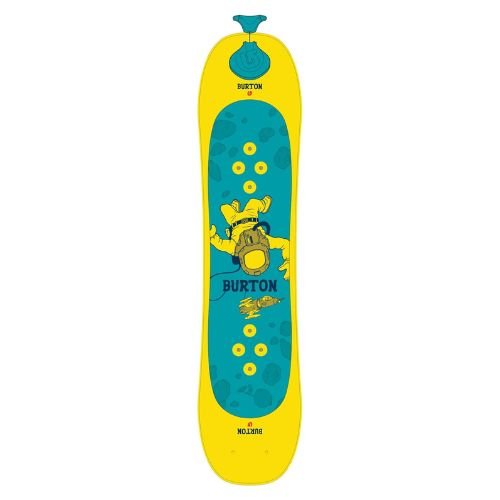
- Symmetrical Twin Shape for Balance
- Flat Top Bend Adds Stability
- Easy Bevel Prevents Edge Catching
- One-Year Warranty Ensures Reliability
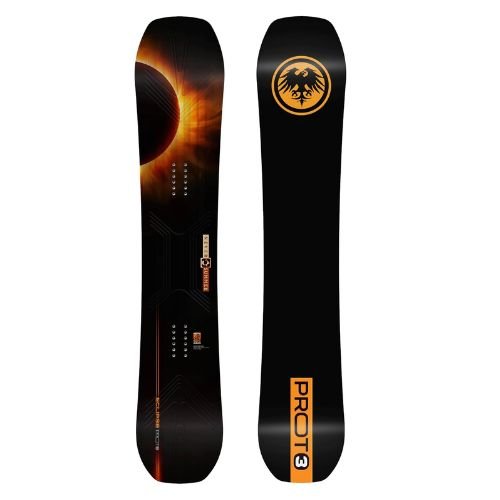
- Triple Camber Boosts Edge Control
- Carbon Matrix Enhances Power Response
- Directional Shape Improves Stability
- Early-Rise Design Adds Powder Float
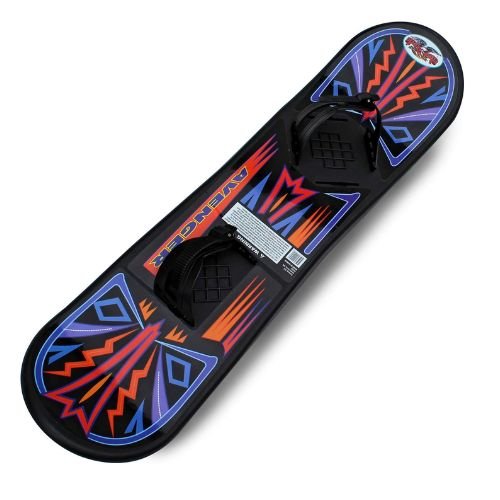
- Perfect Snowboard for Young Beginners
- Adjustable Straps Fit All Boots
- Durable HDPE Ensures Long-Lasting Use
- Easy Control for Confident Learning
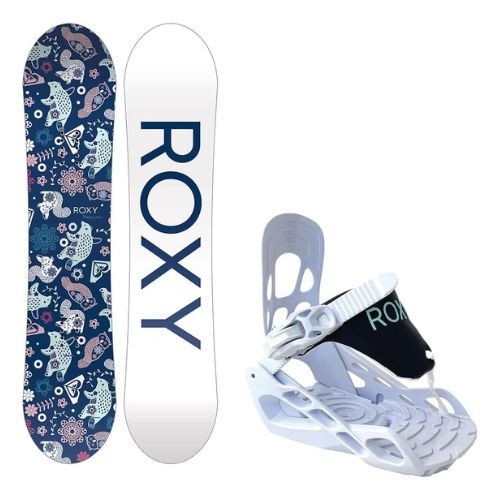
- Complete Package with Mounted Bindings
- Adjustable Straps for Comfortable Fit
- Soft Flex Offers Easy Control
- Rocker Shape Ensures Smooth Turns
Top 5 Best Snowboards
The best snowboards combine performance, durability, and style to match every rider’s needs. Whether you’re carving down groomed slopes, exploring backcountry powder, or learning the basics, a great snowboard offers balance, control, and stability. Designed for all skill levels, these boards deliver confidence and fun on every snowy adventure.
1. CAPITA
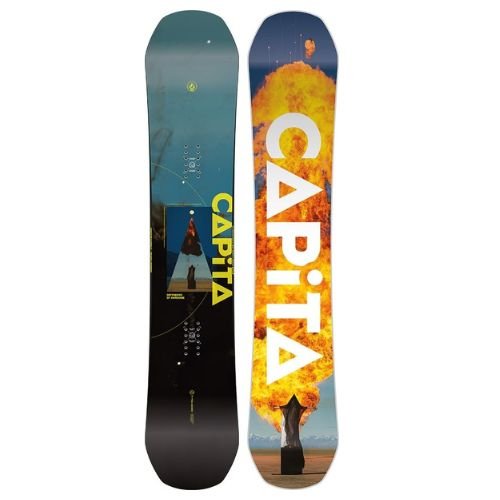
The CAPiTA Defenders of Awesome snowboard is built for riders who crave versatility and precision. Its True Twin Shape, Resort V1 profile, and blended sidecut deliver powerful control with smooth transitions. Perfect for all-mountain conditions, it offers balanced performance, pop, and comfort for intermediate to advanced snowboarders.
Experience the perfect balance of performance and versatility with the CAPiTA Defenders of Awesome Snowboard. Designed for intermediate to advanced riders who want one board that handles everything the mountain throws at them, this snowboard delivers reliable performance from groomed runs to off-piste adventures.
Key Features & Benefits:
- Resort Board Design – Engineered specifically for groomed runs, varied terrain, and occasional off-piste conditions, making it your go-to board for all-mountain riding
- True Twin Shape – Symmetrical nose and tail design provides equal performance whether you ride regular or switch, perfect for freestyle progression and park riding
- 5.5/10 Flex Rating – Medium flex offers the ideal balance of control and comfort for intermediate riders while providing enough versatility for various riding styles
- Resort V1 Camber Profile – Next generation design combines the pop and response of traditional camber with the predictability and easy turn initiation of zero camber shapes
- Blended Radial Sidecut – Features a single radius arc through the board's midsection with custom blend zones at contact points for smooth, predictable turns
Available Variations:
This snowboard comes in multiple size options to match your height, weight, and riding preference. Please select your preferred length from the available size chart.
Usage Guidelines:
- Best suited for: Intermediate to advanced snowboarders who enjoy all-mountain riding
- Ideal conditions: Groomed trails, varied resort terrain, and light powder conditionsRiding style: All-mountain, freestyle, and switch riding
- Recommended for: Riders looking for a versatile board that performs well in multiple conditions
Why Choose the Defenders of Awesome:
This snowboard stands out as one of the best snowboards for riders seeking versatility without compromising performance. The combination of true twin shape and Resort V1 camber profile makes it excellent for progression, while the medium flex rating ensures comfort during long days on the mountain. Whether you're carving groomers, hitting jumps, or exploring varied terrain, this board adapts to your riding style.
Ready to take your snowboarding to the next level? Add the CAPiTA Defenders of Awesome Snowboard to your cart today and experience the difference quality engineering makes on every run down the mountain.
2. Burton
The Burton Riglet Kids’ Snowboard offers a stable, forgiving ride for young learners. With its Twin Shape, Flat Top Bend, and Easy Bevel edges, it ensures balance and safety while building confidence. Backed by a one-year warranty, it’s the perfect beginner board for snowy backyard adventures or gentle slopes.
Give your young rider the confidence to learn and grow with the Burton Kids' Riglet Snowboard. This 90cm board is specially designed for beginners, combining forgiving features with Burton's trusted quality to make those first snowboarding experiences enjoyable and safe.
Key Features & Benefits
- Twin Shape Design – Perfectly symmetrical board shape provides balanced performance whether riding regular or switch stance, helping kids learn fundamental snowboarding skills
- Twin Flex Technology – Symmetrical flex pattern from tip to tail ensures consistent board response and predictable handling for developing riders
- Flat Top Bend Profile – Delivers enhanced stability, improved balance, and continuous edge control while maintaining a loose, playful riding experience
- Easy Bevel Edge Technology – Soft, forgiving edge design lifts slightly off the snow, making it nearly impossible for young riders to catch an edge and fall
- 90cm Length – Ideal size for kids learning to snowboard, offering excellent maneuverability and control
Available Variations
This Burton Riglet Snowboard comes in the 90cm length, specifically sized for young snowboarders. The board features traditional mounting inserts compatible with most kids' snowboard bindings.
Usage Guidelines
Perfect for beginner to intermediate young riders, this snowboard works best on groomed runs and gentle slopes. The twin shape allows kids to practice riding in both directions, while the forgiving features help build confidence. Pair with appropriate kids' snowboard bindings and boots for complete setup.
Quality Assurance
1-Year Warranty – All Burton snowboards with traditional mounting inserts are backed by a comprehensive one-year warranty from the date of purchase, giving parents peace of mind with their investment.
Product Specifications
- Length: 90cm
- Shape: Twin
- Flex: Twin Flex
- Bend: Flat Top
- Edge: Easy Bevel
- Mount: Traditional inserts
- Skill Level: Beginner to Intermediate
- Age Group: Kids
This Burton Riglet Snowboard combines safety, performance, and fun to create the ideal learning platform for young snowboarders. With its forgiving characteristics and proven Burton construction, your child will develop skills and confidence on the mountain. Order now to give your young rider the best start in snowboarding with Burton's trusted quality and performance.
3. Never Summer
Never Summer’s Proto T3 Eclipse Snowboard delivers advanced performance with its Triple Camber Recurve and R.I.P. edge-hold technology. Built for all-mountain riders, it enhances stability, grip, and responsiveness. The carbon matrix construction boosts power, while early-rise mechanics ensure smooth float, making it ideal for challenging terrains and powder runs.
Experience the perfect combination of power and precision with the Never Summer Proto T3 Eclipse snowboard. This all-mountain directional board delivers exceptional performance for riders who demand superior carving ability and reliable edge control on any terrain.
Key Features & Benefits:
- Triple Camber Recurve Profile – Engineered for strong carving performance and exceptional edge hold on all snow conditions
- R.I.P. Edge-Hold Technology – Advanced edge design provides superior grip on hard pack and icy snow surfaces for confident turns
- Precision Stitched Carbon Matrix – Carbon fiber construction enhances torsional response and delivers increased power transfer
- T3 Directional Carbon Mapping – Strategic carbon placement optimized for directional pop and improved response characteristics
- All Mountain Directional Shape – Versatile design perfect for exploring the entire mountain with focus on downhill performance
- 10mm Taper Design – Tapered shape assists in easier turn initiation and provides improved float in powder conditions
- 1 1⁄4″ Setback Stance – Offset stance position improves stability at speed and enhances powder performance
- Early-Rise Float Mechanics – Specialized design elements improve lift and maneuverability in deep snow
- PowerSurf Wood Core – High-quality wood core construction delivers a lively, energetic feel with excellent vibration dampening
How to Use:
Mount your bindings according to the recommended stance width and setback position. The directional design means this board has a designated nose and tail – ensure proper orientation when mounting. Adjust your stance based on riding preference and conditions, keeping in mind the 1 1⁄4″ setback is optimized for all-mountain performance.
Product Specifications:
This all-mountain snowboard features a directional shape specifically designed for men who ride various terrain types. The combination of triple camber profile and recurve design makes it ideal for intermediate to advanced riders seeking premium performance on groomed runs, powder, and everything in between.
Ready to take your snowboarding to the next level? Add the Never Summer Proto T3 Eclipse to your cart today and experience the difference that premium construction and innovative design can make on the mountain. Perfect for riders who refuse to compromise on performance and quality.
4. Flexible Flyer
Flexible Flyer’s Avenger Kids Snowboard is the ultimate beginner board for children aged 5–8. Made from durable HDPE plastic with adjustable binding straps, it’s safe, lightweight, and easy to manoeuvre. Perfect for backyard fun or local hills, it helps kids learn balance, turns, and basic snowboarding techniques.
Give your young adventurer the perfect introduction to snowboarding with the Flexible Flyer Avenger Kids Beginner Snowboard. This entry-level snowboard transforms any snowy backyard or local sledding hill into an exciting winter playground where kids can safely learn and practice essential snowboarding skills.
Key Features & Benefits
- Perfect for Beginners – Specially designed youth plastic snowboard ideal for entry-level snowboarding experiences in backyards and local sledding hills
- Secure Binding System – Pre-mounted kids snowboard binding straps with adjustable ratchet system accommodate various snow boot sizes for a secure, comfortable fit
- Built to Last – Constructed with Blow Molded High Density Polyethylene (HDPE) for extreme durability; much more than just a toy snowboard
- Safe Design – No metal edges that could potentially cut young riders, making it perfect for kids ages 5 to 8 years old
- Easy to Control – Youth snowboard features a forgiving design that's easy to maneuver, helping kids ride with confidence from their very first attempts
- Skill Development – Teaches essential snowboarding techniques including balance, turning, and stopping while providing opportunities to practice beginner tricks
Product Specifications
- Age Range: 5 to 8 years old
- Maximum Weight: 135 lbs
- Dimensions: 37 x 8 x 3 inches
- Length: 90 cm
- Weight: 4.5 lbs
- Color: Black
- Material: High Density Polyethylene (HDPE)
How to Use
Simply adjust the binding straps to fit your child's snow boots using the ratchet system. The straps accommodate a wide range of boot sizes for growing kids. Once secured, your child can practice basic snowboarding movements on gentle slopes, gradually building confidence and skills.
Trusted Quality Since 1889
Flexible Flyer has been producing quality sleds and snow toys since 1889. We stand behind our products 100% and are committed to making things right if you experience any issues. Search for “Flexible Flyer Sled Paricon” online to contact us through our website.
Ready to give your child an amazing winter experience? Add the Flexible Flyer Avenger Kids Beginner Snowboard to your cart today and watch them develop a lifelong love for winter sports in a safe, fun environment!
5. Roxy
Get your young rider ready for an amazing mountain adventure with this complete snowboard package that makes learning fun and easy!
The Roxy Poppy Youth Snowboard Package comes ready to ride straight out of the box, making it perfect for beginners who want to start shredding right away. This carefully designed snowboard offers the ideal combination of comfort, safety, and performance for young snowboarders.
Key Features & Benefits:
- Complete Package Ready – Bindings come pre-mounted, so you can hit the slopes immediately without extra setup time or costs
- Easy-Adjust Bindings – Comfortable straps adjust quickly to fit growing feet and different boot sizes throughout the season
- Soft Flex Construction – Forgiving design helps young riders learn proper technique while building confidence on the mountain
- Catch-Free Radial Sidecut – Smooth edge design reduces catching and falling, making the learning process safer and more enjoyable
- Rocker Contour Technology – Creates predictable, controlled turns that help beginners master their riding skills faster
- Youth XS Sizing – Perfectly sized for smaller riders, ensuring proper control and maneuverability
Available Variations:
This snowboard package is available in Youth XS size, specifically designed for younger and smaller riders who need proper board proportions for safe learning.
How to Use:
- Check that bindings are properly adjusted to your boots before riding
- Start on gentle slopes to get comfortable with the board's feel
- Practice basic turns using the rocker contour design
- Adjust binding straps as needed for comfort and security
- Always wear proper safety gear including helmet and protective padding
This youth snowboard package includes everything needed for a successful start in snowboarding. The soft flex design and catch-free features make it ideal for building skills, while the pre-mounted bindings save time and money. The rocker contour provides stable, predictable performance that helps young riders progress quickly and safely.
Ready to give your young rider the perfect start in snowboarding? Add this complete Roxy Poppy Youth Snowboard Package to your cart today and watch them discover their love for the mountains!
Choosing the right snowboard can make or break your mountain experience, and I've spent countless hours researching and testing boards to help you find your perfect match. This guide is for snowboarders at every level from beginners taking their first runs to advanced riders pushing their limits on challenging terrain.
I'll walk you through how to identify your riding style and match it with the right board category, from all-mountain versatility to specialized powder and freestyle options. You'll also discover the key technologies that separate great boards from average ones, plus my recommendations for standout models from top brands that deliver real performance on the mountain.
Your Riding Style and Skill Level
Choosing the right snowboard starts with understanding your riding style and skill level. Beginners need stability and forgiveness, while advanced riders look for responsiveness and precision. Whether you prefer freestyle tricks, all-mountain cruising, or deep powder runs, matching your board to your ability ensures better control, safety, and performance.
Beginner-Friendly Features for Safe Learning
When I first started snowboarding, I wish someone had explained the features that make learning so much easier. Beginner boards should have a softer flex rating, typically between 1-4 on a 10-point scale. This softer flex forgives mistakes and makes turn initiation much more manageable when you're still figuring out edge control.
I always recommend true twin shapes for beginners because they're perfectly symmetrical, making it easier to learn both regular and switch riding. The nose and tail are identical, so there's no confusion about which way you're supposed to be pointing. Rocker or hybrid camber profiles work best for newcomers since they're more forgiving and reduce the likelihood of catching edges.
Look for boards with a wider waist width if you have larger feet – nothing kills confidence like toe drag when you're trying to carve. I've seen too many beginners struggle unnecessarily because their board was too narrow. A good beginner board should also have a medium flex pattern that's consistent throughout, avoiding any dead spots or overly stiff sections that could throw you off balance.
Intermediate Boards for Skill Development
My progression really took off when I switched to an intermediate board designed for skill development. These boards typically feature a slightly stiffer flex (5-7 range) that provides better response while still being forgiving enough for experimentation. I found that directional twin shapes work brilliantly at this stage – they offer the versatility of twin tips but with a slight setback stance that improves float in powder.
Intermediate riders benefit from hybrid camber profiles that combine traditional camber underfoot with rocker at the tips. This design gives you the pop and edge hold of camber when you need it, but maintains the playful, catch-free feel of rocker for progression. I particularly love boards with medium-stiff flex patterns that vary slightly from tip to tail, providing different feedback as you develop your technique.
The sweet spot for intermediate boards is finding something that challenges you without overwhelming your current skill level. I recommend boards that excel in multiple conditions – groomed runs, light powder, and even some park features. This versatility lets you explore different aspects of riding without needing multiple boards right away.
Advanced Options for Expert Performance
Expert-level boards demand precision, and I've learned that stiffness becomes your friend at this level. Advanced boards typically range from 7-10 on the flex scale, providing immediate response and maximum power transfer. I prefer directional boards with aggressive camber profiles for charging big mountains and technical terrain.
The construction quality matters significantly more at this level. I look for boards with carbon fiber reinforcement, sintered bases for speed, and premium core materials like bamboo or high-grade wood cores. These features might seem subtle, but they make a huge difference when you're pushing your limits at high speeds or in challenging conditions.
Advanced riders often need specialized boards for specific disciplines. My quiver includes a stiff all-mountain charger for big mountain riding, a freestyle board for park sessions, and a powder-specific board for deep days. Each serves a distinct purpose and excels in its intended environment.
All-Mountain Versatility vs Specialized Designs
I've gone back and forth on this debate throughout my riding career. All-mountain boards offer incredible convenience – one board that handles everything from groomed runs to powder to park features. My current all-mountain setup covers about 80% of my riding needs with a medium-stiff flex and hybrid camber profile.
However, specialized boards excel in their intended conditions in ways that all-mountain boards simply can't match. My powder board's volume-shifted design and deep setback stance float effortlessly in deep snow, while my park board's true twin shape and soft flex make progression tricks feel natural.
For most riders, I recommend starting with a quality all-mountain board and adding specialized options as your interests develop. The versatility of modern all-mountain designs means you're not sacrificing much performance in most conditions. Once you identify your favorite aspects of riding, that's when specialized boards become worthwhile investments.
The key is matching your board choice to your actual riding patterns, not your aspirational ones. I spent years riding boards that looked great on paper but didn't match how I actually spent my time on the mountain.
Top Snowboard Categories by Riding Style
Snowboards come in different categories to suit every rider’s style and terrain preference. From freestyle boards built for tricks and park rides to all-mountain models that handle any slope, and powder boards designed for deep snow, each type offers unique control, flexibility, and performance to match your riding goals.
All-Mountain Boards for Maximum Versatility
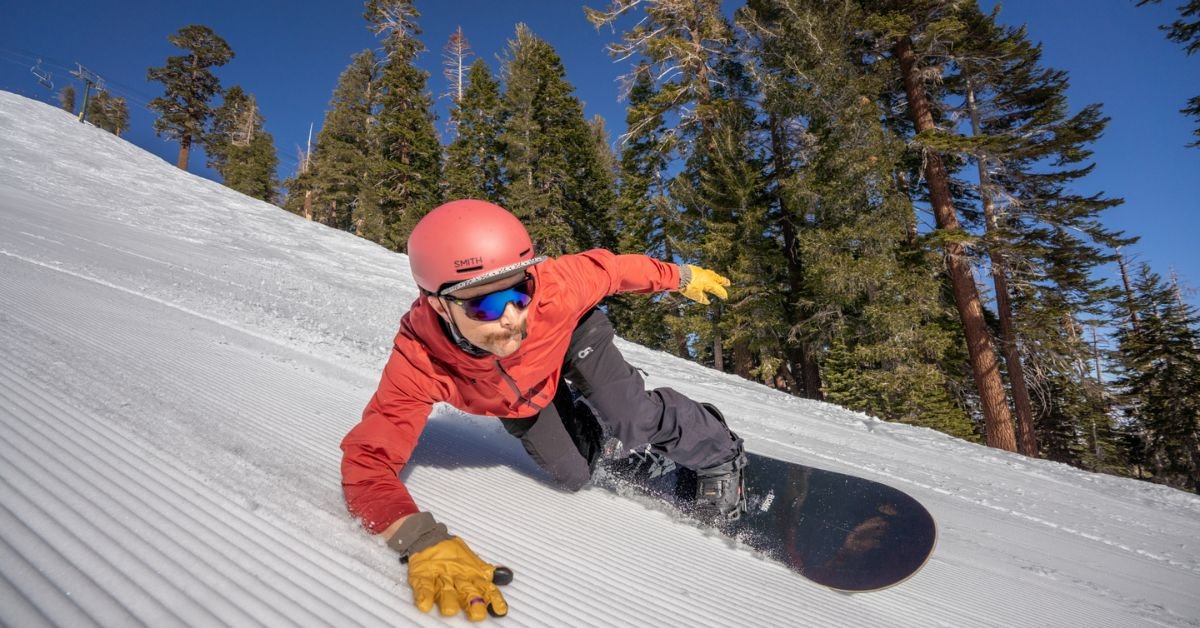
I always recommend all-mountain boards to riders who want one board that can handle everything. These are my go-to suggestion for beginners through advanced riders who prefer having a single board that performs well anywhere on the mountain. My experience with all-mountain boards has shown me they strike the perfect balance between stability and playfulness.
What I love about all-mountain boards is their medium flex pattern – they're stiff enough for high-speed carving but soft enough for buttering and playing around. The directional twin or true twin shapes work brilliantly for both forward riding and switch. I've found that most all-mountain boards feature a camber-rocker hybrid profile, giving you edge hold when you need it and forgiveness when you're learning new techniques.
Freestyle Boards for Park and Tricks
My freestyle boards are designed specifically for park features, jumps, and technical tricks. When I'm hitting rails and boxes, I need a board that can take abuse while still being responsive enough for precise movements. Freestyle boards typically feature softer flex patterns that make pressing and buttering effortless.
I prefer true twin shapes for freestyle riding because they ride identically in both directions. The symmetrical design means my switch riding feels natural, which is crucial for park progression. Most of my freestyle boards use rocker or flat camber profiles to prevent edge catching on features while maintaining enough pop for ollies and jumps.
The shorter length I choose for freestyle boards increases maneuverability in tight spaces. I can spin faster, adjust my position mid-trick, and recover from sketchy landings more easily. These boards sacrifice some high-speed stability, but that trade-off is worth it for the increased playfulness.
Freeride Boards for Powder and Backcountry
Nothing beats the feeling of floating through deep powder on a proper freeride board. I've spent countless days in the backcountry, and my freeride boards are specifically engineered for these untamed conditions. The directional shape and setback stance position keep my nose up in deep snow while providing incredible float.
My freeride boards feature stiffer flex patterns that remain stable at high speeds through variable terrain. When I'm charging down steep faces or navigating through trees, I need that extra stiffness to maintain control. The longer length and wider waist width accommodate my larger boots and provide better flotation in powder conditions.
I appreciate how freeride boards handle mixed conditions too. While they excel in powder, they also perform well on hardpack and crud snow. The aggressive edge angles and longer effective edge length give me confidence when carving at speed or navigating icy sections during backcountry descents.
Alpine Racing Boards for Speed and Precision
My racing boards represent the pinnacle of precision and speed on groomed runs. These boards are built for carving perfect arcs at high speeds, and I use them when I want to push my technical riding to the limit. The extremely stiff flex and narrow waist width create incredible edge hold and response.
Alpine racing boards feature aggressive side cuts and long effective edges that bite into firm snow conditions. When I'm laying down carved turns, these boards track precisely through my intended line without deviation. The directional shape and forward mounting position optimize weight distribution for maximum carving performance.
I find racing boards less forgiving than other categories, but that's exactly what makes them perfect for advanced riders focused on technique refinement. They demand precise input and reward clean technique with unmatched performance on groomed terrain. The narrow width requires proper boot size matching to avoid toe and heel drag during deep carving angles.
Splitboards for Backcountry Adventures
Splitboards opened up an entirely new world of snowboarding for me. These innovative boards split into two ski-like pieces for uphill travel, then reconnect for the descent. My splitboard adventures have taken me to untouched powder stashes that would be impossible to reach with resort lifts.
I've learned that splitboard design requires careful balance between uphill touring efficiency and downhill performance. The split mechanism needs to be rock-solid when connected, creating a board that rides like a traditional freeride setup. My splitboards feature slightly stiffer flex patterns to maintain structural integrity through the splitting hardware.
The touring capability transforms how I approach mountain exploration. I can access remote terrain, enjoy silent powder runs, and experience the mountain in ways that traditional resort riding can't match. The physical demand of earning my turns makes each descent incredibly rewarding, and my splitboard serves as the essential tool that makes these adventures possible.
Essential Snowboard Technologies and Features
Modern snowboards are packed with innovative technologies that enhance performance, comfort, and control. Key features like camber profiles, edge designs, and core materials influence how a board rides on different terrains. Advanced bindings, lightweight construction, and flexible shapes ensure smoother turns, better stability, and an overall improved snowboarding experience.
Core Materials for Optimal Performance
When I'm evaluating the best snowboards, I always start by examining what's at the heart of each board – the core material. The core makes up the bulk of your snowboard's structure and dramatically affects how it feels under your feet.
Wood cores remain my top choice for most riders. Poplar wood gives you that perfect balance of lightweight feel and responsive pop that I love when hitting jumps or carving turns. I've noticed boards with poplar cores offer consistent flex patterns that make them incredibly predictable on the mountain. For riders who want more power, I recommend bamboo cores. They're stiffer than poplar but still maintain excellent vibration damping properties.
I've also tested boards with foam cores, which work great for beginners who want something lightweight and forgiving. These cores absorb more impact, making your learning curve much gentler. However, I find they lack the energy transfer you need for aggressive riding.
My favorite high-end boards often feature composite cores that blend different materials. I've ridden boards with carbon fiber stringers running through wood cores, and the combination delivers incredible responsiveness without sacrificing the natural feel of wood. Some manufacturers add Kevlar strips for extra durability, which I appreciate when riding in rocky conditions.
Edge Technology for Superior Control
Edge construction is where I really notice the difference between good and great snowboards. The edges are your connection points with the snow, so their design directly impacts your control and confidence.
I prefer full wrap edges on most boards. These edges extend from tip to tail and wrap around the nose and tail areas, giving you maximum control during turns. When I'm carving hard on groomed runs, these edges bite into the snow exactly how I want them to. The steel quality matters too – I look for boards with high-carbon steel edges because they hold their sharpness longer and resist dulling from rocks and ice.
Cracked edges used to be my biggest frustration until I discovered boards with impact-resistant edge technology. Some manufacturers now use segmented or partially cracked edges that absorb impact better than traditional solid edges. I've found these designs prevent catastrophic edge damage when I accidentally hit rocks or rails.
I also pay attention to edge bevel angles. Most boards come with a 1-degree base bevel and 1-degree side bevel, but I sometimes adjust these based on conditions. For icy days, I sharpen to 2 degrees on the sides for extra bite. On powder days, I detune slightly for smoother turn initiation.
Base Materials for Speed and Durability
The base material determines how fast you'll go and how much maintenance your board needs. I've tested every type of base material available, and each has its place depending on your riding style.
Sintered bases are my go-to choice for performance riding. These bases are made from compressed polyethylene pellets, creating a denser structure that absorbs wax better and runs faster. I can definitely feel the speed difference, especially on longer runs. The trade-off is that sintered bases require more maintenance – they dry out faster and need regular waxing to perform their best.
Extruded bases work perfectly for casual riders who don't want the maintenance hassle. These bases are cut from large polyethylene sheets and, while slower than sintered bases, they're much easier to repair. I recommend extruded bases for beginners or anyone who rides less than 20 days per season.
I've also ridden boards with graphite-infused bases, which add extra speed and conductivity. Some high-end boards feature Gallium-treated bases that stay fast in varying snow temperatures. For the best snowboards, I look for bases with quality P-Tex construction – it's more expensive but worth it for the durability and performance gains I experience on every run.
Leading Snowboard Brands and Their Standout Models
The snowboard market is filled with trusted brands that blend innovation, quality, and style. Brands like CAPiTA, Burton, Never Summer, Roxy, and Flexible Flyer consistently produce top-performing models suited for various skill levels. Each brand stands out for its craftsmanship, advanced materials, and unique technologies designed to elevate every rider’s experience on the slopes.
Burton's Premium Performance Options
I've spent countless days on Burton boards, and honestly, they've earned their reputation as the gold standard in snowboarding. The Custom Flying V remains my go-to recommendation for riders who want versatility without compromise. This board combines Burton's legendary camber profile with rocker sections at the tip and tail, creating what I call the “sweet spot” for all-mountain performance.
The Process Flying V catches my attention for its playful yet responsive character. I love how it handles everything from groomers to powder days with equal confidence. Burton's channel mounting system might seem gimmicky at first, but after riding it extensively, I appreciate how it allows for infinite stance adjustments and improved board flex.
For powder enthusiasts, I can't ignore the Flight Attendant. Burton's step-on technology paired with this board creates an experience that feels almost telepathic. The reduced swing weight and enhanced response make those deep powder days even more magical.
Capita's Innovative Constructions
Capita consistently pushes boundaries, and I'm constantly impressed by their manufacturing approach. The Mercury stands out as one of the best snowboards I've ridden for aggressive all-mountain performance. Their Death Grip technology provides edge hold that borders on supernatural, especially on icy East Coast conditions where I do most of my riding.
I'm particularly drawn to the Asymulator series for its asymmetrical design philosophy. Most riders don't realize how much our heel-side and toe-side turns differ, but Capita addressed this with different sidecut radiuses for each edge. The result feels natural and intuitive under my feet.
The Super DOA deserves mention for park riders seeking something beyond basic jibbery. I've watched countless riders progress faster on this board because it forgives mistakes while still offering the pop needed for serious features.
Jones Snowboards' Mountain-Focused Designs
Jeremy Jones built this company around serious mountain riding, and I respect that focus immensely. The Flagship represents everything I want in a directional all-mountain board. Its camber-dominant profile drives through variable snow conditions with authority I rarely find in other brands.
I'm consistently amazed by the Solution for splitboarding applications. While primarily designed for touring, its construction quality and performance on the descent rival dedicated resort boards. The magnetraction-style edge technology grips hardpack better than most dedicated carving boards I've tested.
The Stratos catches my eye for riders transitioning from intermediate to advanced levels. Its construction strikes that perfect balance between forgiving and performance-oriented, helping riders push their limits without overwhelming them.
GNU's Creative Technology Solutions
GNU's approach to snowboard design feels refreshingly unconventional, and I appreciate their willingness to experiment. The Riders Choice lives up to its name as one of the best snowboards for versatility. Their C2 technology combines camber between the feet with rocker at the contact points, creating a profile that excels in varied conditions.
I find myself recommending the Antigravity frequently for riders who split time between resort and backcountry. Its construction emphasizes lightweight performance without sacrificing durability, making those long hike-to-earn-your-turns days more enjoyable.
The Money deserves recognition for park and freestyle applications. GNU's attention to flex patterns and edge technology creates a board that handles features with confidence while maintaining enough versatility for all-mountain adventures when the park gets crowded.
Size Selection for Maximum Performance
Selecting the right snowboard size is key to achieving maximum performance and comfort. The ideal length depends on your weight, height, and riding style. A shorter board offers easier control and manoeuvrability, perfect for beginners or freestyle riders, while a longer one delivers better stability and speed for all-mountain and powder conditions.
Length Recommendations by Height and Weight
Finding the right snowboard length changed my entire riding experience. I learned that the traditional “chin-to-nose” rule is just a starting point, not the final answer. My height gives me the baseline, but my weight actually matters more for determining the perfect length.
When I'm helping riders choose their board length, I consider their weight first. A heavier rider needs more surface area to generate proper float and control, while a lighter rider can get away with a shorter board for easier maneuverability. I've seen too many beginners struggle with boards that were sized purely by height, missing that crucial weight factor.
For freestyle riders, I recommend going shorter – typically 3-8cm below the traditional length. This makes spins, tricks, and park features so much easier to handle. All-mountain riders should stick closer to that chin-to-nose sweet spot, while freeride enthusiasts often benefit from going longer for better float in powder and stability at high speeds.
My go-to sizing chart looks like this:
| Rider Weight (lbs) | Board Length Range (cm) |
|---|---|
| 100-120 | 139-147 |
| 120-140 | 144-152 |
| 140-160 | 149-157 |
| 160-180 | 154-162 |
| 180-200+ | 159-167+ |
Width Considerations for Boot Size
I can't stress enough how critical width selection is it's honestly more important than length for most riders. Getting this wrong leads to toe or heel drag, which kills your ability to carve properly and can be downright dangerous.
My boot size dictates everything about board width. I measure my boots in their snowboard boots, not street shoes, because the difference is significant. Most riders with US size 8.5 and smaller can ride regular width boards comfortably. Once I hit size 9 and above, I start looking at mid-wide options.
Here's what I use as my width guidelines:
- Regular width (245-250mm): US boot sizes 4-8.5
- Mid-wide (250-255mm): US boot sizes 8.5-10.5
- Wide (255mm+): US boot sizes 10.5+
I always test the setup before committing. When I strap in, my toes and heels should hang over the edge just slightly – about 1-2cm of overhang on each side. Too much overhang creates drag, while too little reduces leverage for edge control.
Women's boots typically run narrower, so female riders can often go with regular width boards even at larger sizes. I've found that trying different binding angles can also help optimize the fit between boot size and board width.
Flex Rating Impact on Riding Experience
Flex rating completely transforms how a snowboard feels and performs. I think of it as the personality of the board – it determines how forgiving or aggressive my ride will be. The scale runs from 1 (softest) to 10 (stiffest), and choosing wrong can make even the best snowboards feel terrible.
My riding style drives my flex choice every time. For park and freestyle riding, I stick with soft to medium flex ratings (2-5). These boards are forgiving on landings, easier to butter and press, and don't punish me for small mistakes. They're like having a friend who laughs off your errors.
When I'm charging hard on groomers or riding backcountry, I want stiffer boards (6-8+). They hold an edge better at speed, provide more pop for jumps, and give me the precision I need for aggressive riding. The trade-off is less forgiveness they'll buck me off if my technique isn't solid.
Medium flex boards (4-6) work great for all-mountain riding because they balance playfulness with performance. I can still have fun in the park but get the response I need for steep runs and varied conditions.
My flex recommendations by riding style:
- Beginner: Soft flex (2-4) for maximum forgiveness
- Freestyle/Park: Soft to medium (2-5) for tricks and jumps
- All-Mountain: Medium (4-6) for versatility
- Freeride/Racing: Stiff (6-8+) for precision and power
Temperature affects flex too boards get stiffer in cold conditions and softer when it's warm, so I factor in where I'll be riding most often.
Must Read:
Conclusion:
After spending years on the slopes and testing countless boards, I can tell you that finding the right snowboard comes down to understanding yourself as a rider. Your skill level and riding style should guide every decision, from the board shape and flex to the advanced technologies that match your mountain adventures. The top brands each bring something unique to the table, and once you nail down the perfect size for your build and riding goals, you'll notice an immediate difference in your performance and confidence.
I recommend taking time to honestly assess where you are in your snowboarding journey and where you want to go. Don't get caught up in flashy features or brand hype – focus on what will actually improve your riding experience. Visit a local shop, talk to experienced riders, and if possible, demo a few boards before making your investment. The perfect snowboard is out there waiting for you, and with the right knowledge, you'll find the board that transforms every day on the mountain into an unforgettable adventure.